
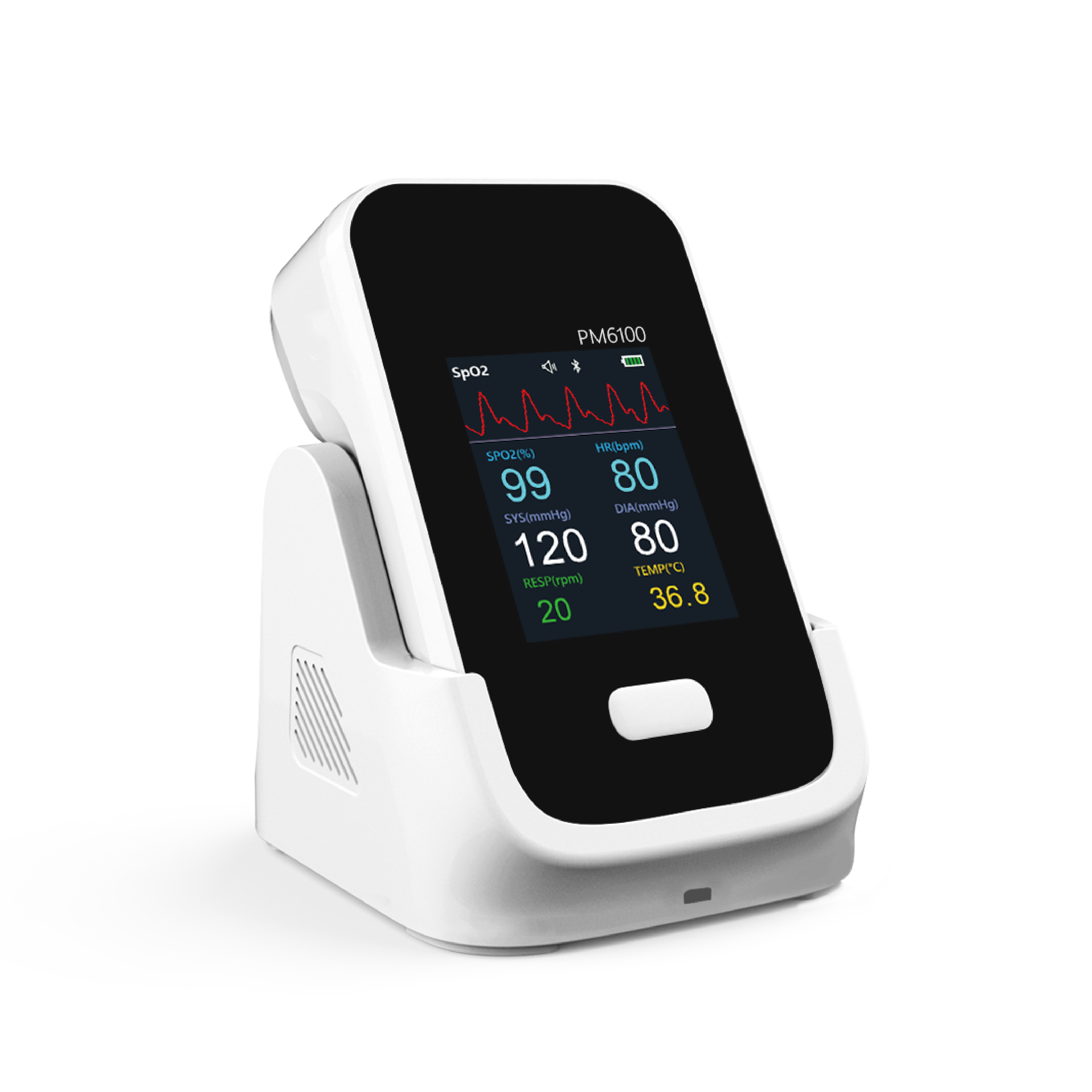
Parameter Workflow
Confirm What Each Monitoring Routine Needs
The right monitor choice depends on the parameters to observe, the setting where readings happen, and how data supports clinical review.
01
Six-signal context
ECG, SpO2, NIBP, PR, RR, and TEMP belong in a clear monitoring workflow, not as automatic clinical conclusions.
02
Portable observation
A portable monitor supports ward rounds, spot checks, bedside recovery checks, and short observation routines.
03
RPM ecosystem fit
PM6100 can be compared with connected oximetry, blood pressure, weight, and sleep-monitoring products in the same device family.
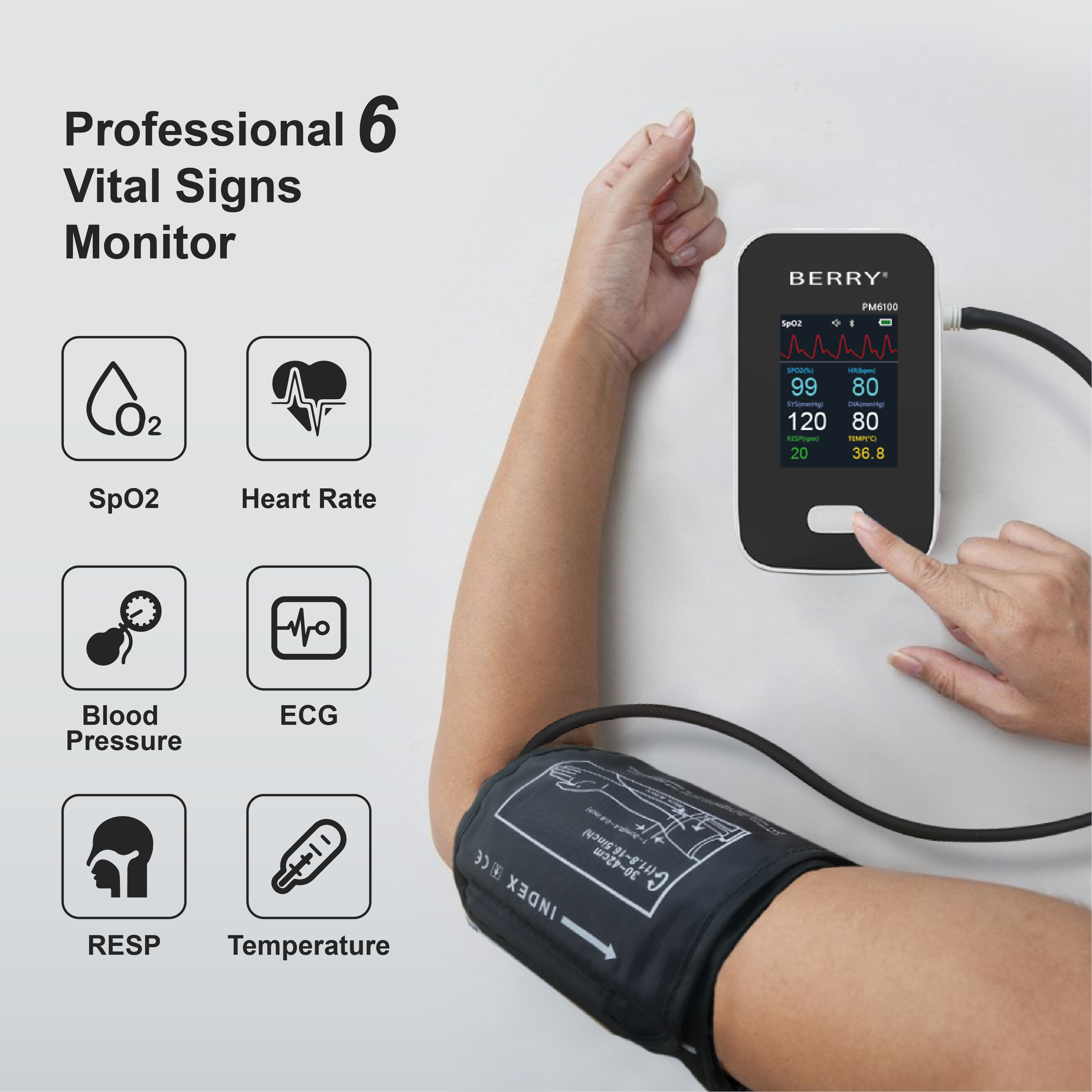
The PM6100 product views help teams review device format, screen presentation, accessory planning, and where the monitor may fit in daily routines.
Core Details
PM6100 Product Facts
| Model | PM6100 |
|---|---|
| Product type | Portable multi-parameter patient monitor |
| Workflow role | Vital tracking for clinical and RPM discussions |
| Parameter topics | ECG, SpO2, NIBP, PR, RR, and TEMP |
| Use context | Ward rounds, spot checks, short observation, and RPM planning |
| Related product group | Oximeter, BP monitor, smart scale, and sleep monitor products |
| Contact path | BerryTelMed official contact page |
| Review boundary | Readings support clinical workflow and require qualified interpretation. |
Planning Checklist
Prepare a Clear Monitoring Requirement
Before requesting details, map the device to the clinical routine, data flow, and supporting products your program needs.
01Parameter set: clarify ECG, SpO2, NIBP, PR, RR, and TEMP needs before comparing monitors.
02Routine use: decide whether the monitor supports routine spot checks, bedside observation, or limited continuous review.
03Ward mobility: consider cart, bedside, recovery, and short-observation scenarios.
Monitoring data should support clinical review and operational workflow; it should not be treated as a stand-alone diagnosis.
Related RPM Devices
Compare BerryTelMed Monitoring Products
These product pages help teams compare PM6100 with other connected devices used in remote monitoring programs.
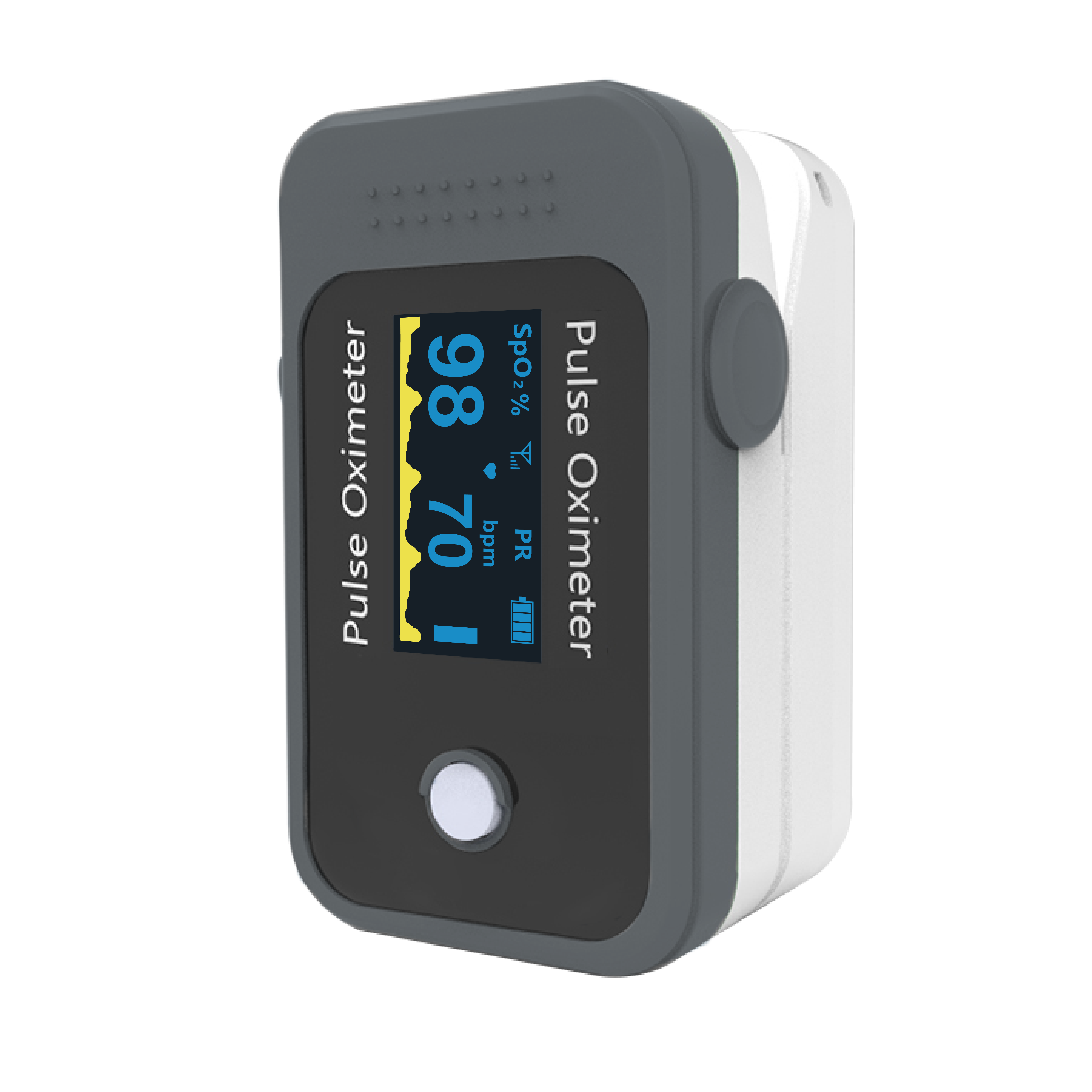
BM1000 Pulse Oximeter
A connected oximetry option for teams comparing SpO2 and pulse-rate devices.
View product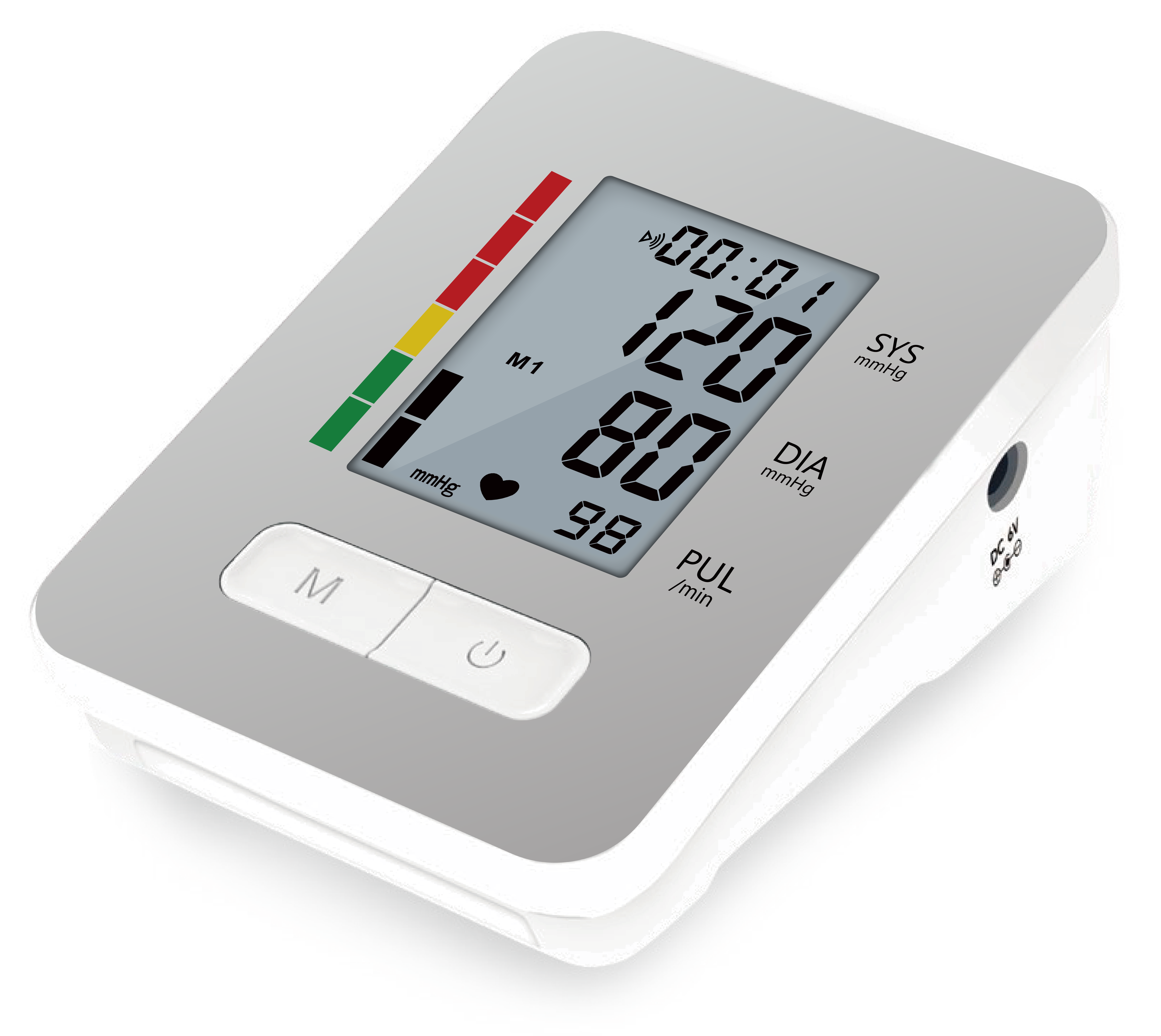
4G BP Monitor
An upper-arm blood pressure product for RPM blood-pressure data programs.
View product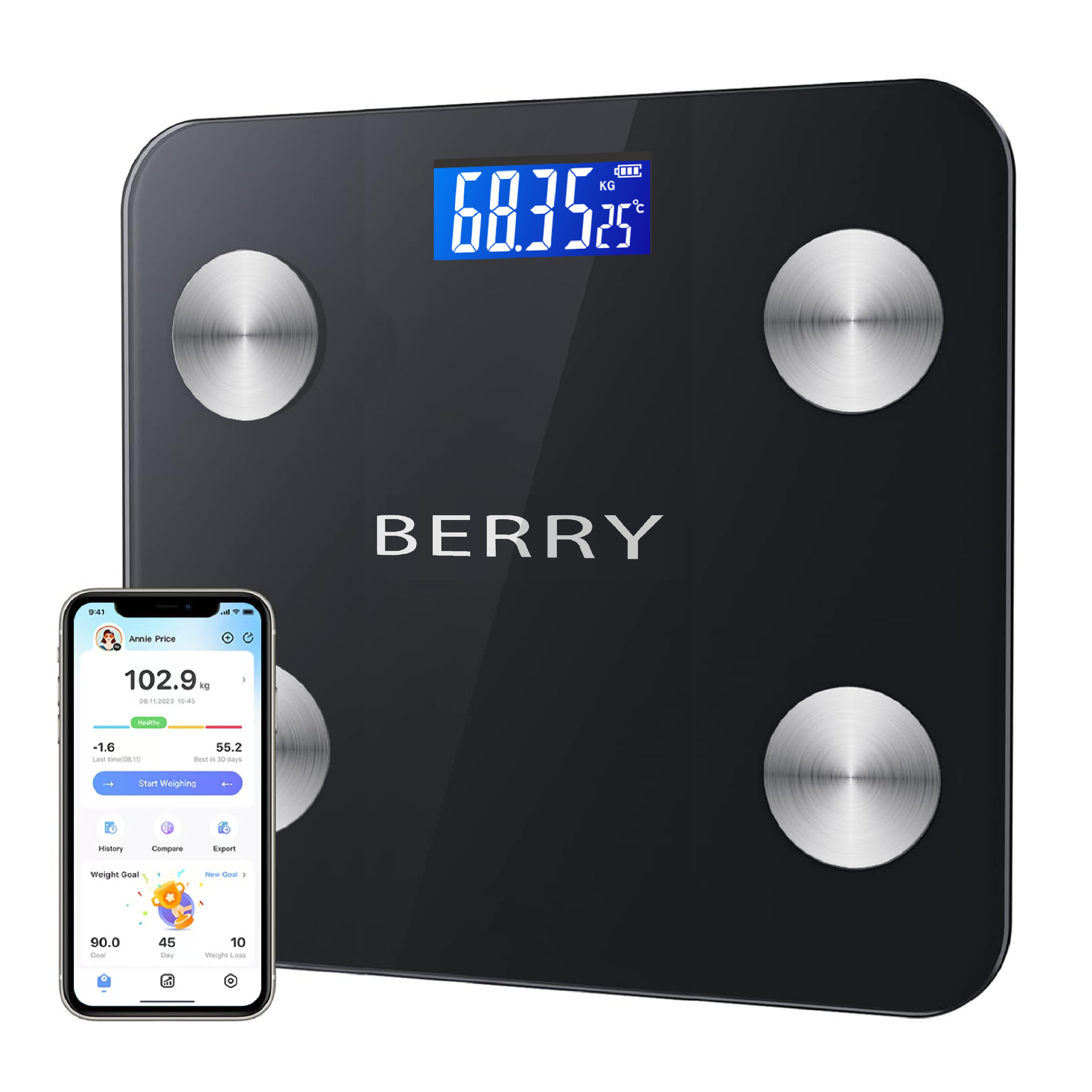
Smart Weight Scale
A Bluetooth scale for programs that also monitor weight trends remotely.
View product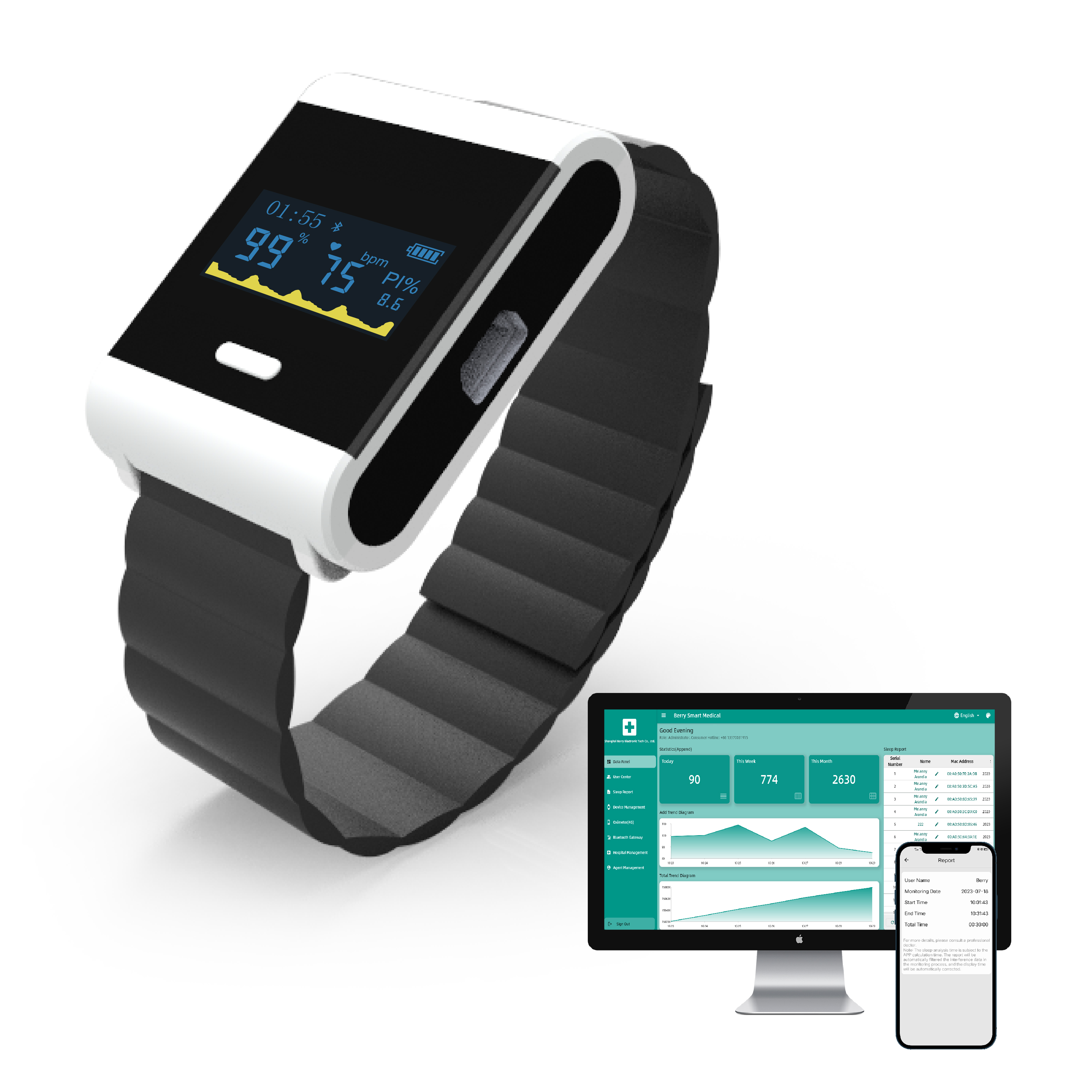
PM50 Sleep Monitor
A wearable sleep-monitoring device for programs evaluating respiratory sleep data.
View productClinical Reading
Review Parameters and Use Cases
These BerryTelMed articles help teams turn product interest into practical monitoring questions.
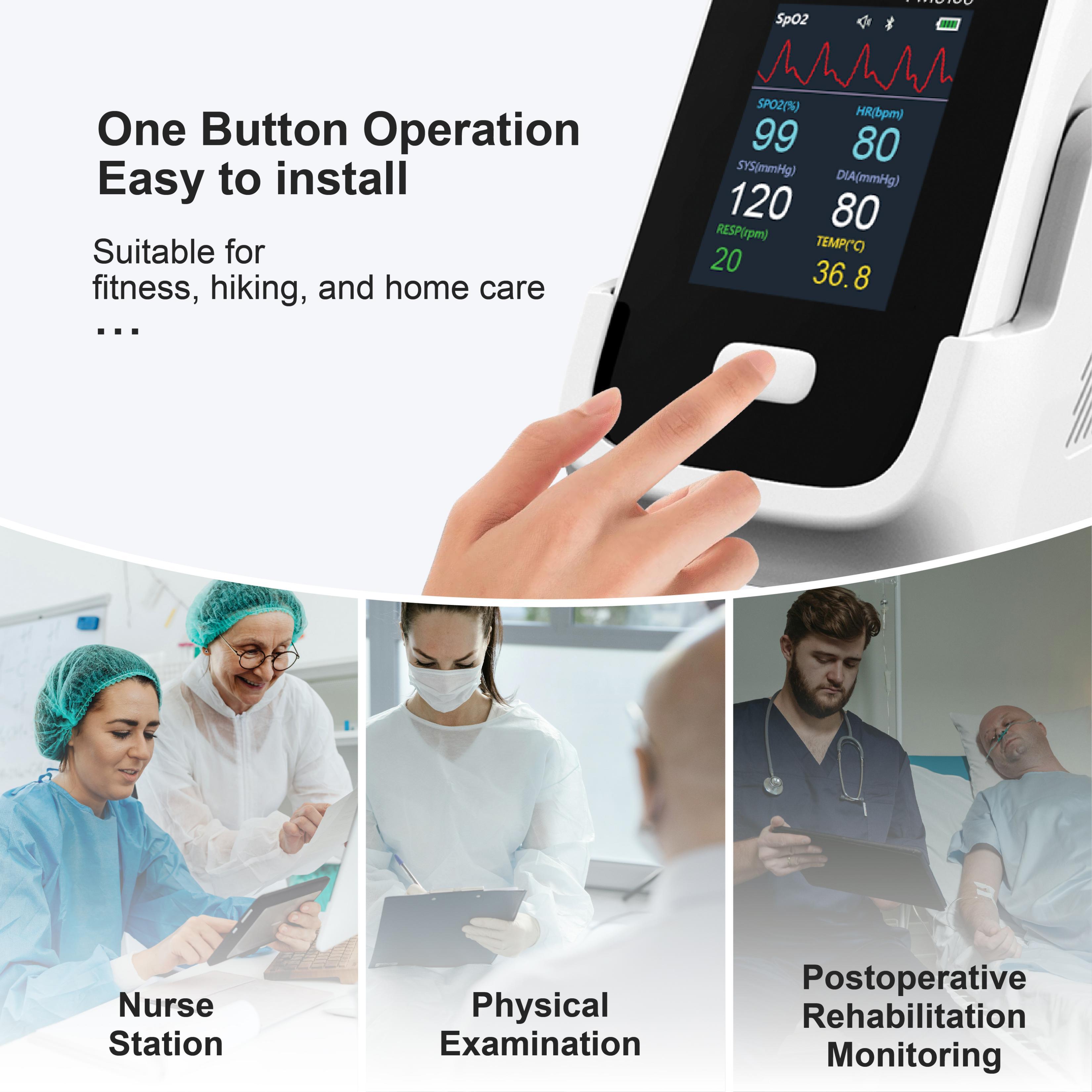
Parameter Names
Review how ECG, SpO2, NIBP, PR, RR, and TEMP labels support structured observation.
Open article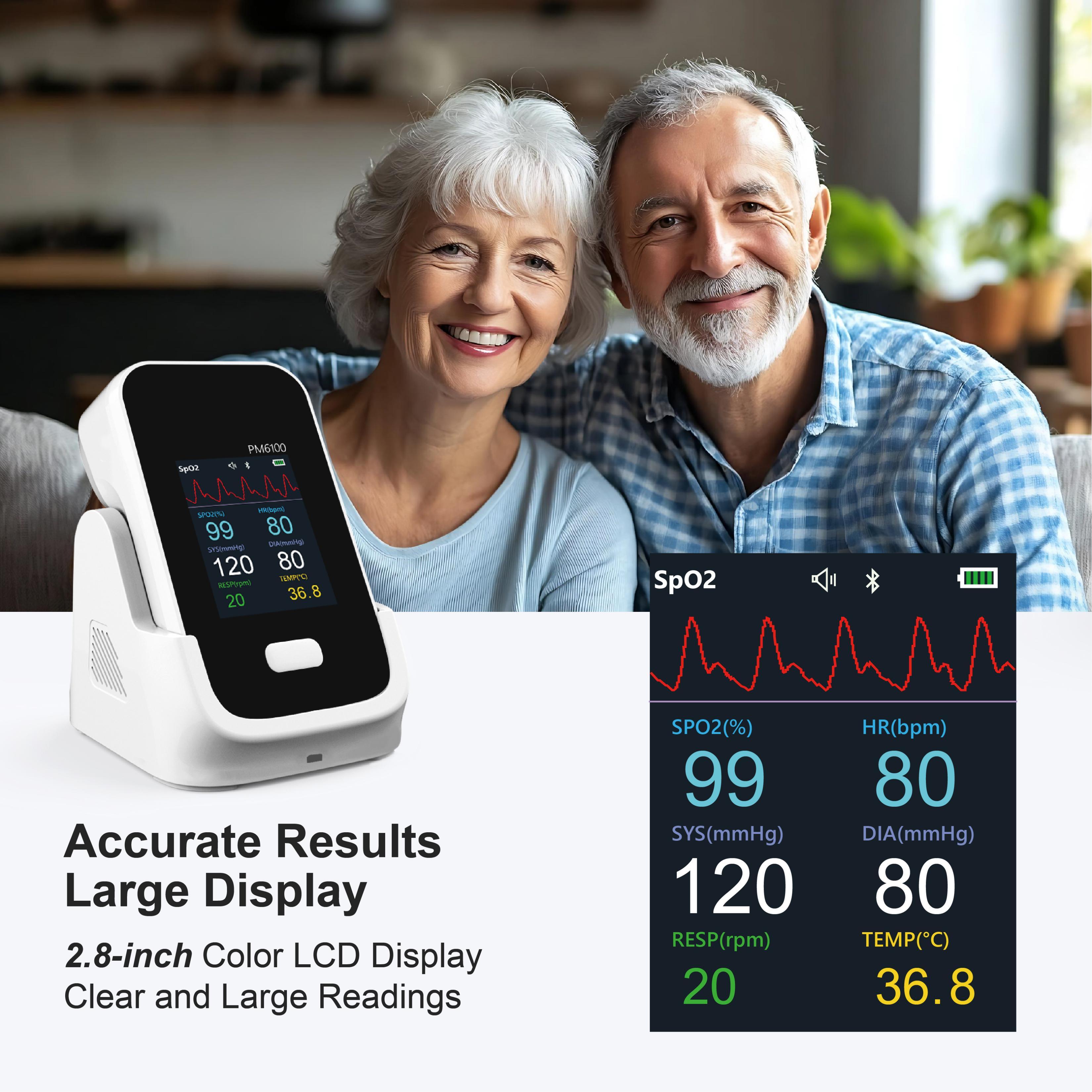
Six Vital Signs
Clarify how multiple vital-sign fields can support routine checks without becoming automatic diagnosis.
Open article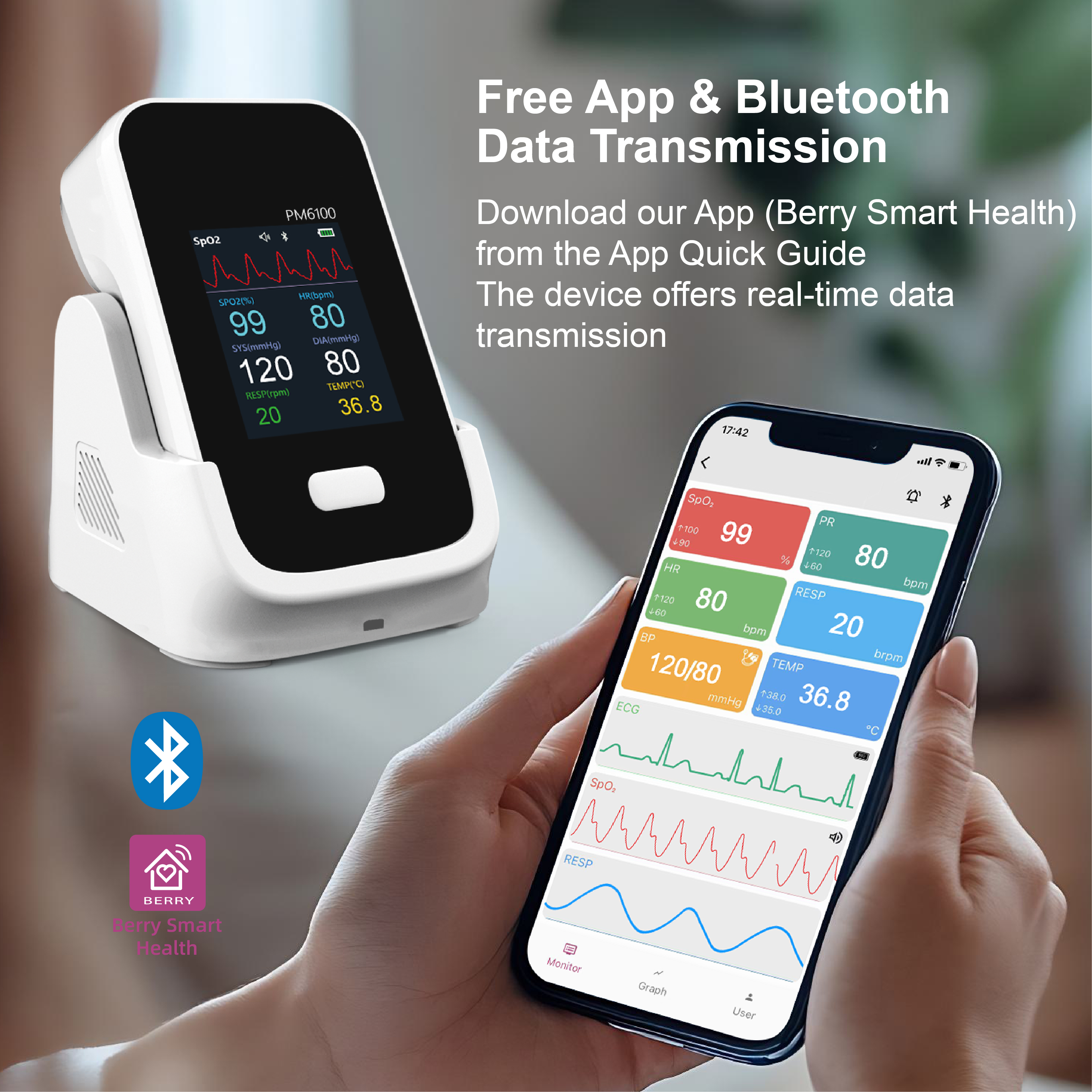
Ward Spot Checks
Compare short-observation and bedside use cases before planning accessories or program fit.
Open articleFAQ
PM6100 Patient Monitor Questions
Use these answers to prepare a clearer product discussion.
What is the PM6100 designed to monitor?
PM6100 is presented as a portable multi-parameter patient monitor for clinical and remote-monitoring workflow discussions.
Which parameter labels should teams review?
BerryTelMed articles outline ECG, SpO2, NIBP, PR, RR, and TEMP as key labels in multi-parameter monitoring.
Where can a portable patient monitor fit into care routines?
Portable monitoring may support ward rounds, bedside spot checks, recovery observation, and short clinical review routines.
How does PM6100 relate to other RPM devices?
It can be reviewed alongside connected oximetry, blood pressure, weight, and sleep-monitoring products in the BerryTelMed device family.
Can monitor readings replace clinical interpretation?
No. Readings should support clinical review and workflow decisions, and they require qualified interpretation.
How can I ask BerryTelMed about PM6100?
Use the BerryTelMed contact page to share your parameter needs, workflow setting, integration questions, and ordering requirements.
